The early decisions that shape how your shades look and perform
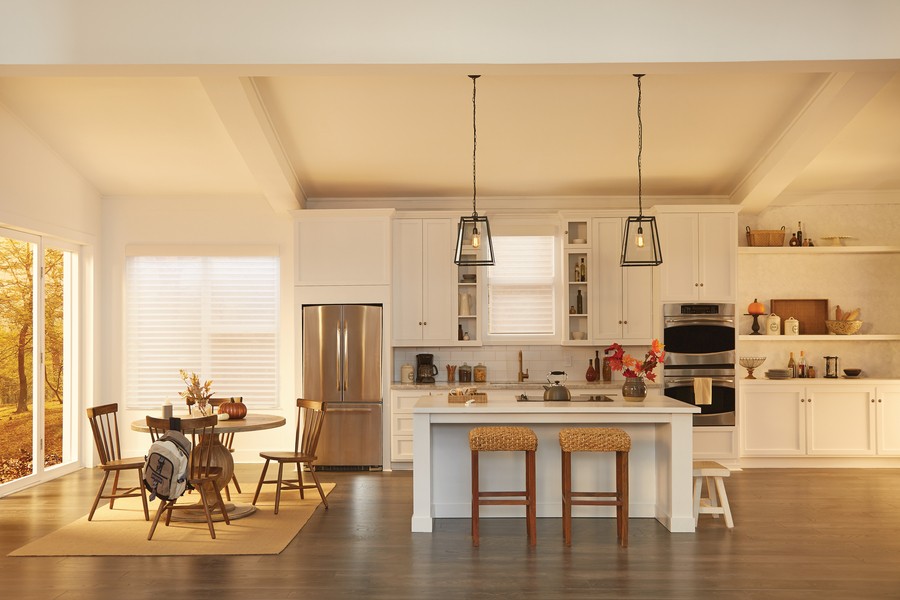
When you are planning a build or remodel, motorized shades often end up near the bottom of the checklist, long after cabinets are picked out and walls are painted. By that point, bringing your preferred design to life gets a lot more complicated. The shade hardware ends up mounted right on the wall in plain view, and running power to the motors can require cutting into freshly finished drywall.
Planning your motorized shades during the early design stage opens up far better possibilities. Hardware can be hidden in the ceiling, and wiring runs directly to every location without hassle. Here are the key factors Argenta recommends considering before installation begins, helping you make choices that pay off down the road.